
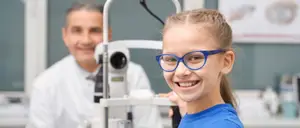
Children don’t always realize when something’s wrong with their vision—especially if they’ve never known anything different. But subtle vision problems can quickly snowball into academic struggles, low confidence, and behavioral challenges in school.
Below, our eye care team at St. Clairsville Eyecare discusses issues your child may experience that can impact their learning, why eye exams are so important and how they can help, and what to expect at your child's eye exam.
Pediatric Vision Issues: The Warning Signs Parents Shouldn’t Miss
Some of the most common early signs of vision issues in children include:
- Frequent squinting or eye rubbing
- Head tilting when reading or watching TV
- Complaints of headaches, especially after reading
- Difficulty concentrating or fidgeting during class
- Sitting very close to screens or holding books too close
- Falling behind in reading comprehension or handwriting
If your child attends school in the St. Clairsville-Richland City School District, Union Local Schools, or another local district, it’s worth checking in with their teacher, too. Educators are often the first to notice patterns—like a student constantly losing their place while reading, or showing frustration during close-up work—that point to potential vision challenges.
Eye Exams Support School Success (and Confidence)
A child’s vision affects far more than just their ability to see the board. Visual processing skills are key to reading fluently, copying from the board, understanding spatial relationships in math, and even playing sports with confidence.
If your child is struggling in school—or seems to be zoning out during class when they used to be engaged—it could be time for a pediatric eye exam. Even if their school performs vision screenings, those tests are limited in scope. They often miss issues like binocular vision dysfunction, accommodative lag, and eye teaming challenges that can only be detected with a comprehensive eye exam.
What to Expect During a Pediatric Eye Exam
At St. Clairsville Eyecare, every pediatric eye exam is tailored to meet the unique needs of growing eyes. Our goal is to make the experience thorough but easygoing—especially for first-timers.
Here’s what you and your child can expect:
- Health history review: We’ll begin by discussing your child’s medical background, school performance, and any symptoms you’ve noticed.
- Vision testing: From distance and near vision to eye movement and tracking, we check how well your child sees and how their eyes work together.
- Eye health evaluation: Using non-invasive tools, we look closely at the structures of the eye to identify any early signs of concerns.
- Personalized plan: If there’s an issue, we’ll explain the next steps—whether that means glasses, therapy, or simple monitoring until their next visit.
Our team understands how to make children feel comfortable, which is why so many families turn to us when they’re looking for a trusted children’s eye doctor.
Tips to Help Your Child Feel at Ease
It’s normal for kids to feel a little nervous before any kind of appointment. These tips can help your child feel more relaxed:
- Use positive language—say “eye check” instead of “test.”
- Let your child bring their favorite stuffed animal or toy.
- Plan the visit at a time when your child is well-rested and fed.
- Stay by their side to provide comfort throughout the exam.
When you choose St. Clairsville Eyecare for kids eye exams in St. Clairsville, you’re choosing a friendly, professional environment that puts children first.
Kids’ Vision Care in St. Clairsville
We proudly serve young patients across Belmont County, including families from Union Local Schools, St. Clairsville-Richland City School District, and other local areas. Whether you’ve noticed signs of vision strain or you just want to stay on top of your child’s eye health, we’re here to help.
Need to book a pediatric eye exam soon? Contact your local children’s eye doctor at St. Clairsville Eyecare and request your appointment today.